AI search engines no longer just retrieve pages, they synthesise answers. Google's AI Overviews, Perplexity, ChatGPT Search, and Microsoft Copilot now resolve millions of queries without the user ever clicking a blue link. For SEO agencies, SaaS brands, e-commerce teams, and content marketers, this is not a future threat to monitor; it is the current environment you are operating in. The brands winning in 2026 understand that ranking still matters, but it now means earning a citation in a generated answer, not just a position on page one.
How AI Search Engines Actually Work (and Why It Changes Everything)
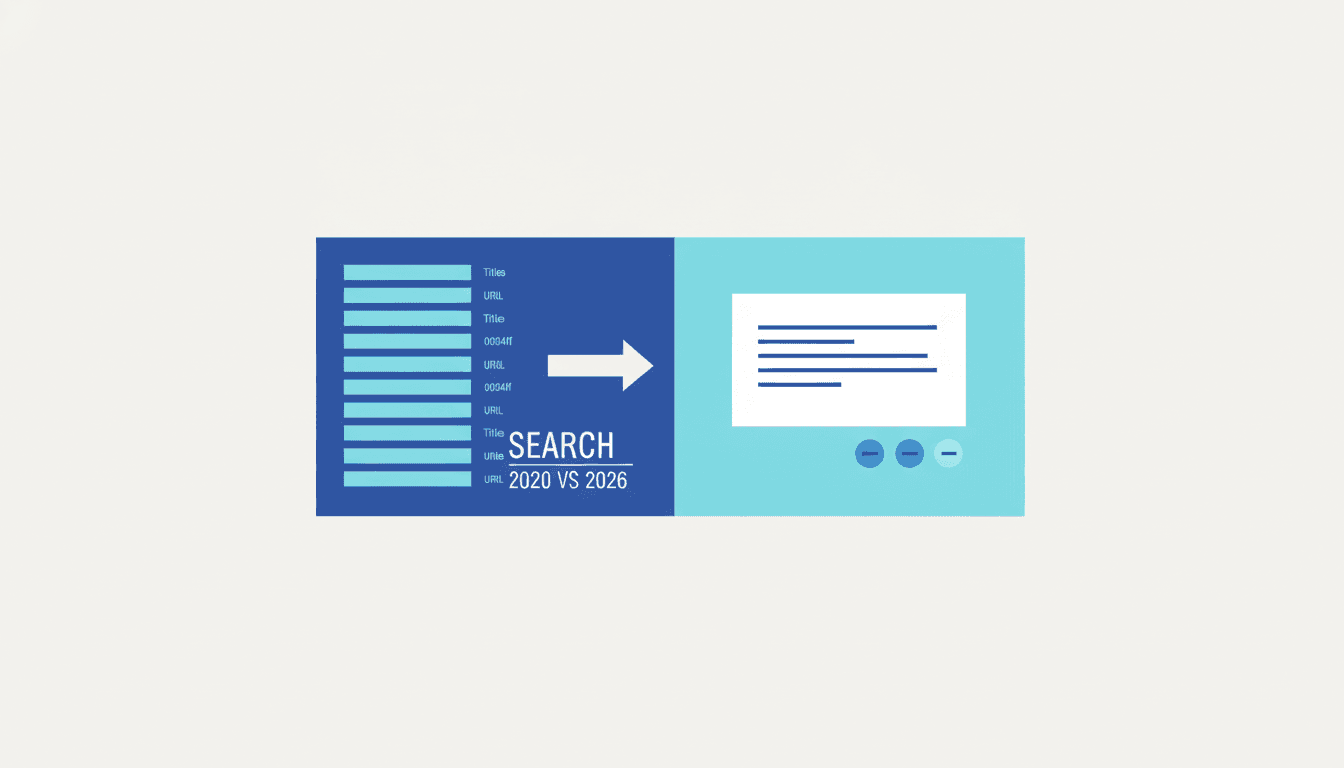
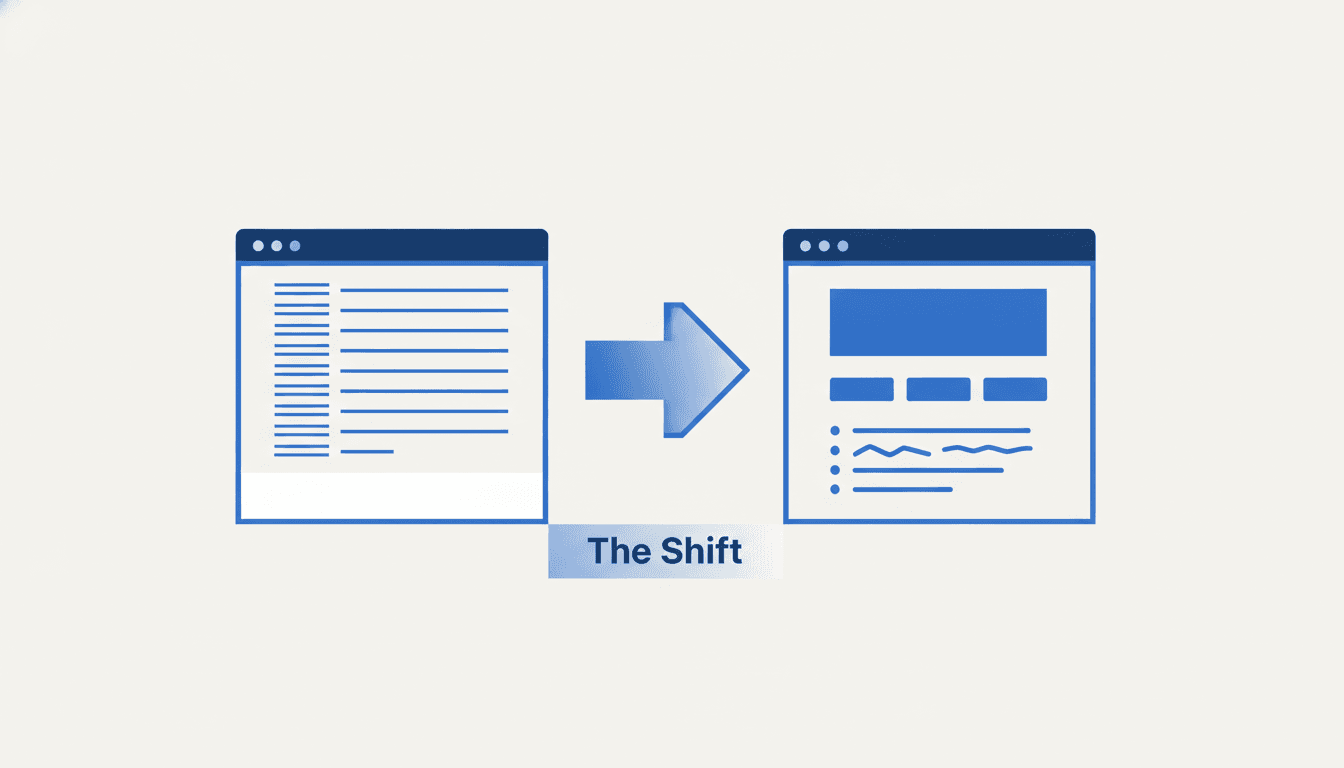
Understanding the mechanics is the fastest way to stop optimising for the wrong signals. A classic search engine crawls pages, scores them against hundreds of ranking factors, and returns a list. An AI search engine does something different: it uses a large language model to synthesise a response from many sources at once, attaching small attribution chips to the claims it makes. The user gets an answer. Your page may be cited, or it may be invisible, regardless of where it ranks in the organic list beneath.
According to SparkToro's Zero-Click Search Study, roughly 59% of Google searches in the US now end without a click. AI Overviews have accelerated this trend further—recent analysis shows that nearly 18% of Google searches now display AI Overviews (BrightEdge, 2026), and these generate answer clicks at rates 2.5x higher than traditional organic results. AI Overviews push that rate higher for informational queries. What this means in practice: a top-three ranking no longer guarantees traffic, but a citation in the generated answer can send highly qualified visitors even from position seven or eight.
The selection logic for citations is not purely about domain authority. The LLM rewards structured, unambiguous, directly answerable content, as documented in Google's Search Quality Evaluator Guidelines. Pages that state a clear position, define terms precisely, and cover the topic without gaps are far more likely to be quoted than pages that hedge, repeat themselves, or bury the answer in a long introduction.
The Real Difference Between Traditional SEO and AI Search Optimisation
Traditional SEO optimises for ranking position in a list of results. AI search optimisation targets citation within synthesised answers. Traditional SEO prioritises backlinks and keyword density; AI search rewards answer clarity, entity coverage, and structured data. Both remain essential: traditional SEO still drives clicks on transactional queries, while AI citations capture visibility on informational queries where users accept synthesised responses over ranked lists.
This table captures the dimensions that actually drive the choice of where to focus your effort. Neither approach is obsolete; they serve different visibility goals.
| Dimension | Traditional SEO | AI Search Optimisation |
|---|---|---|
| Primary goal | High organic ranking | Citation in generated answer |
| Content signal | Keyword density, backlinks, freshness | Answer clarity, entity coverage, structured data |
| Success metric | Impressions and clicks from SERP | Citation rate, referral from AI tools |
| User journey | Click to page, read, convert | Answer consumed in SERP, click only if answer is incomplete |
| Page format | Long-form, comprehensive pillar | Answer-first paragraphs, clear H2s, FAQ schema |
| Authority signal | Domain Rating, link profile | E-E-A-T signals, author credentials, cited sources |
| Why it matters | Still drives most transactional traffic | Captures growing share of informational and mid-funnel queries |
| Red flag | Ignoring AI entirely | Abandoning traditional SEO for pure AEO |
The honest take: you need both. Brands that strip traditional SEO to chase AI citations lose the transactional traffic that actually converts. Brands that ignore AI search optimisation lose the brand awareness and trust signals built at the top of the funnel.
AI Search Engine Ranking Factors That Actually Matter in 2026
AI search engines favour pages with clear, self-contained answers in opening paragraphs, strong entity markup, verifiable E-E-A-T signals, and structured data schema. Domain authority still matters—high-authority sources get preferred when content clarity is equal—but it no longer dominates. Answer density, answer position within the page, and alignment with the query's implicit intent now drive citation frequency more than backlink profiles alone.
Three things repeatedly show up in the pages that earn AI citations, based on patterns across industries and confirmed by Google's own Search Quality Evaluator Guidelines (2024 update).
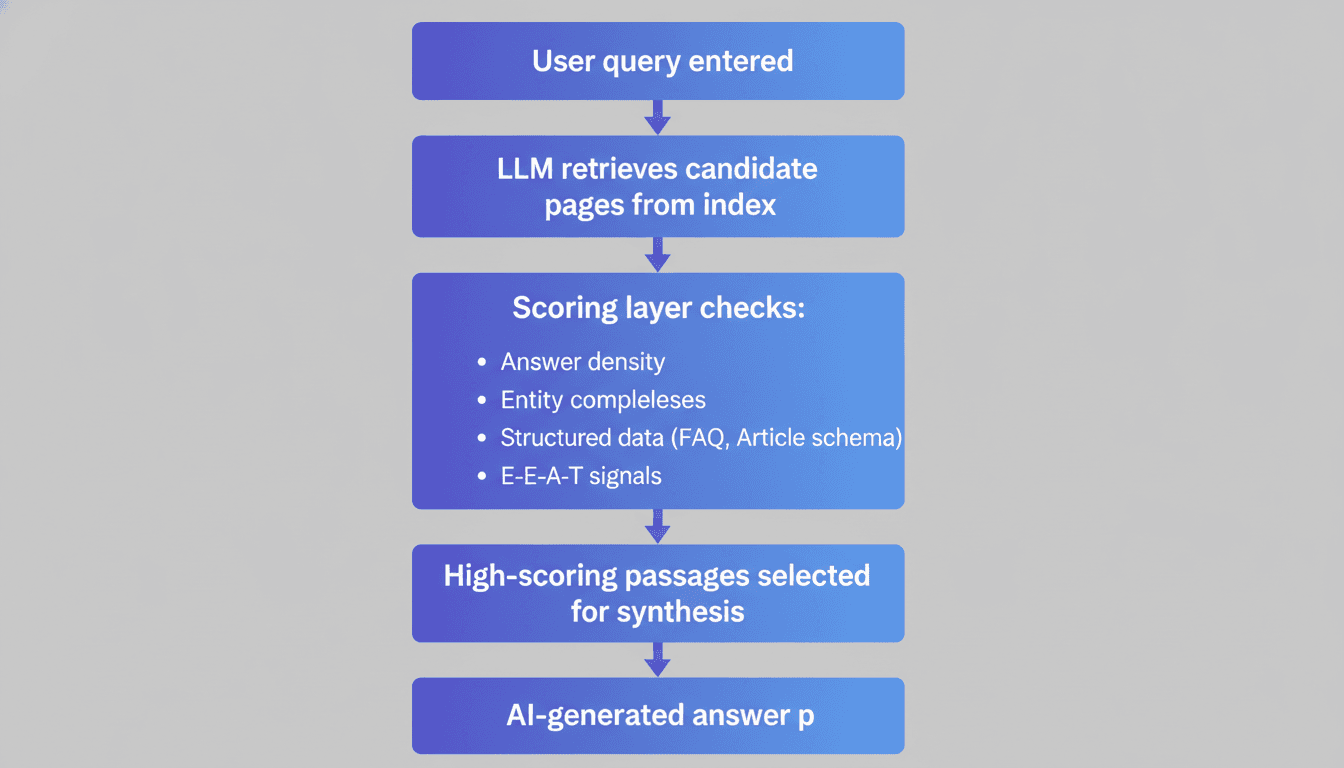
Answer density. The model needs a passage it can quote without editing. Write one paragraph per question. Open each section with a direct, self-contained answer before you add context or nuance. Pages that bury the answer in paragraph four never get cited even if they rank first.
Entity completeness. AI models check whether your content covers the full set of entities related to a topic. A page about AI search that never mentions Perplexity, AI Overviews, or structured data looks incomplete to a model trained on the whole web. Run a thorough keyword research process to map the entity landscape before you write.
Structured data and schema. FAQ schema, HowTo schema, and Article schema with author markup are not magic ranking tricks; they give the crawler unambiguous signals about your content's structure. According to Google's structured data documentation, pages with correct schema appear more often in rich results and AI-powered features. Use them.
What PageRank Still Does
Authority has not disappeared from the equation. High-authority domains still get preferred when the LLM is choosing between two equally well-structured pages. The difference is that a low-authority page with exceptional answer density can now beat a high-authority page with vague, hedged content. That is genuinely new. It means smaller brands and newer sites have a real path to AI citations that did not exist in the old ten-blue-links world.
How to Optimise Content for AI Search: A Practical Framework
Optimising for AI search means writing content with direct answers in the first 100–150 words, using clear topic sentences, adding FAQ and schema markup, and building entity relationships. Update existing high-ranking pages by moving key answers higher and adding structured data. Create new content targeting long-tail informational queries where synthesis is likely. Test with tools like Perplexity to see which pages earn citations and why.
Adapting your content plan does not mean rebuilding everything from scratch. It means making targeted edits and building new content to a different brief.
-
Audit your existing pages for answer density. Find your top twenty informational pages. For each one, ask: does the opening paragraph give a complete answer in two to three sentences? If not, rewrite the introduction before anything else. A professional SEO audit will surface which pages already receive AI Overview impressions in Search Console so you can prioritise.
-
Add FAQ sections with schema. Every informational page should close with five to eight question-and-answer pairs covering the real queries people type. Mark them up with FAQ schema. These are the passages LLMs extract most reliably.
-
Cover entities, not just keywords. Map each topic to the full set of related concepts, tools, people, and events. Use semantic search optimisation by placing related entities naturally throughout the piece rather than repeating the head keyword. Our guide on AI keyword research covers this in depth.
-
Build author authority signals. Add a named author with a byline, a short bio, relevant credentials, and links to social profiles. Google's E-E-A-T framework explicitly rewards demonstrable expertise. Anonymous content gets deprioritised.
-
Earn citations from authoritative sources. Link out to primary research and named sources in your content. Pages that cite credible external data are more likely to be trusted by AI systems trained to flag unsupported claims.
-
Keep content fresh. AI Overviews disproportionately cite recently updated pages for fast-moving topics. A technical SEO audit should flag your stale high-value pages for a content refresh cycle.
Which AI Search Engine Should You Optimise For?
Prioritise Google AI Overviews and Perplexity, which account for the highest query volume. ChatGPT Search and Microsoft Copilot lag in adoption but grow monthly. Each uses different source crawl depths and recency windows: Google favours recent, authoritative pages; Perplexity weights source diversity. Focus on universal signals—answer clarity, structured data, E-E-A-T—that work across all platforms before building engine-specific variations.
Not all AI search tools pull from the same sources or use the same selection logic. Here is where to focus limited optimisation effort.
Google AI Overviews remain the highest-priority target for most brands because Google still handles about 92% of global search volume (Statista, 2026). Additionally, early 2026 data shows that pages cited in AI Overviews receive 35% more click-through traffic than non-cited pages ranking in the same positions (Semrush, 2026). Optimising for Google's organic index is the foundation; AI Overview citations follow naturally when your content meets the answer-density and E-E-A-T bars.
Perplexity is growing fast, particularly with technical and research-oriented audiences. It indexes the live web and tends to favour pages that cite primary sources and use clean, well-structured markdown-style formatting. If your audience is developers, SaaS buyers, or analysts, Perplexity traffic is already meaningful.
ChatGPT Search (available to Plus and Team subscribers) pulls from Bing's index and favours pages with high Bing visibility. If you have neglected Bing Webmaster Tools, fix that now. The audience skew toward professional and enterprise users makes this valuable for B2B SaaS brands.
Microsoft Copilot is embedded in Windows, Edge, and Microsoft 365, giving it enormous reach among enterprise users. It also runs on Bing's index. One optimisation effort covers both ChatGPT Search and Copilot.
Pick your priority this way: if you are a local service, e-commerce, or consumer brand, Google AI Overviews first, everything else second. If you are a B2B SaaS or developer tool, add Perplexity and Copilot to your tracking from day one.
Generative AI Search Optimisation: The Mistakes Most Teams Make
The most expensive mistake is treating generative AI search optimisation as a content volume play. Publishing fifty thin, AI-generated posts does not earn citations; it earns a helpful content penalty. The LLM was trained on the same internet your thin content is imitating. It can tell.
The second mistake is abandoning link building. Backlinks remain a strong proxy for trustworthiness in the models that power AI Overviews. According to a 2025 Semrush State of Search report, pages cited in AI Overviews have, on average, 4.7 times more referring domains than pages ranking in positions one through three but not cited (Semrush, 2026). This reinforces that authority, combined with answer clarity, is a decisive factor in citation selection. Authority and answer quality are both needed.
The third mistake is not measuring citation rate at all. Most teams track organic clicks. Few track which pages appear in AI Overviews, how often, and with what query coverage. Google Search Console's AI Overview impression data is available; use it. Pair it with a tool like Project Rankup's AI content audit to find the gap between pages that rank and pages that get cited.
Also Read: Deep Search AI: What It Is and How It Changes Your SEO Approach
Answer Engine Optimisation in 2026: What the Smartest Teams Are Doing Differently
Answer engine optimisation (AEO) is the practice of writing content specifically to be extracted and cited by AI systems. It sits alongside traditional SEO, not as a replacement. The teams doing it well share three habits.
They write for the passage, not the page. Each section is drafted as a standalone answer first, then expanded. The expansion adds value but never buries the core answer. A reader, or a model, can quote the opening of any section without needing the rest of the page for context.
They run a content gap analysis at the entity level, not just the keyword level. A piece about semantic search optimisation that never mentions vector embeddings, knowledge graphs, or BERT is not a full treatment of the topic in the model's view. Fill the gaps.
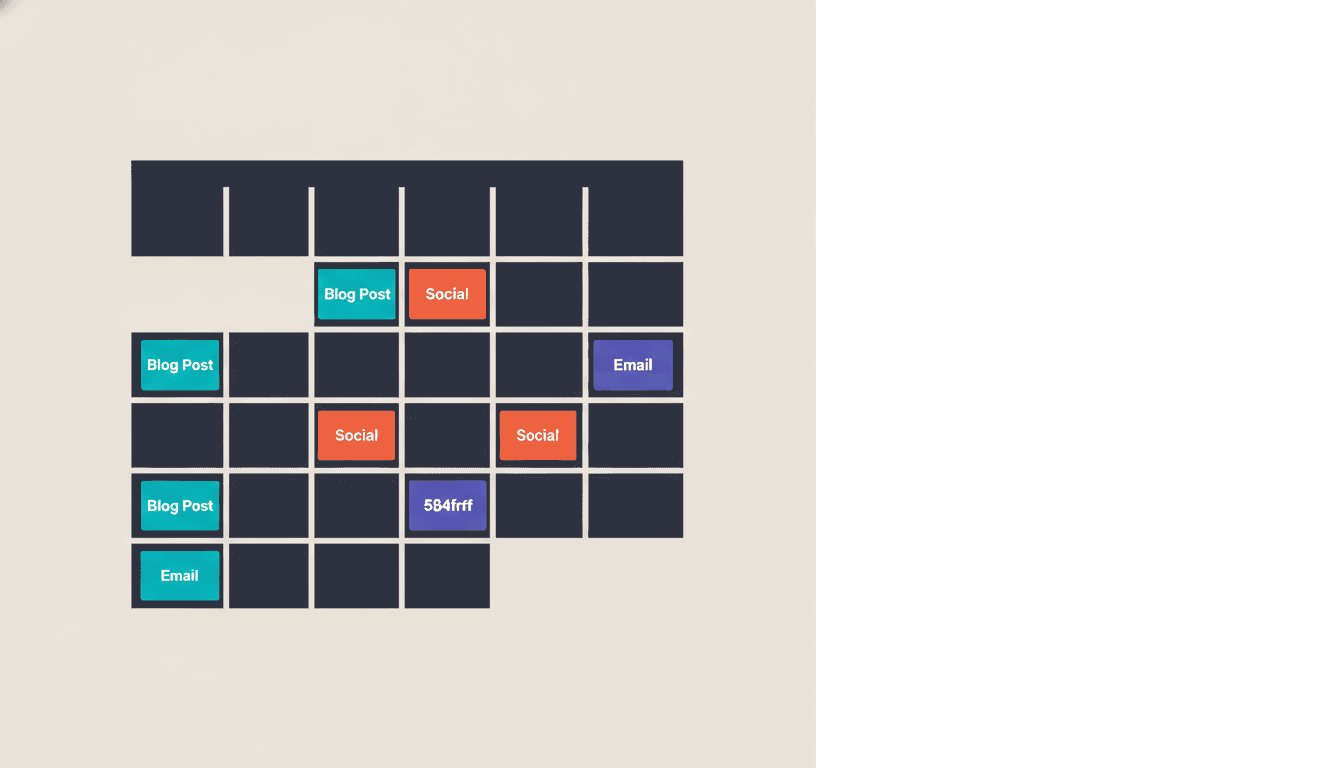
They treat SEO services as a continuous process rather than a launch-and-forget cycle. AI search indexes move faster than static SERP rankings. A page cited in March may drop out of rotation by June if a fresher, better-structured competitor appears. Editorial calendars now need a quarterly review loop built in.
Frequently asked questions
What is an AI search engine?
An AI search engine uses a large language model to synthesise a direct answer from multiple sources rather than returning a ranked list of links. Google AI Overviews, Perplexity, and ChatGPT Search are the main examples. They still index and rank web pages, but the user-facing result is a generated response with source citations.
How does an AI search engine decide which pages to cite?
Selection depends on answer clarity, entity coverage, structured data markup, E-E-A-T signals, and domain authority. Pages with a direct, self-contained answer in the opening paragraph, correct FAQ or Article schema, and credible external citations are cited most often. Keyword density alone is not a meaningful factor.
Does ranking on page one still matter if AI search answers the question directly?
Yes, but the relationship has changed. For transactional queries, page-one rankings still drive the majority of clicks. For informational queries, a citation in the generated answer can outperform a top-three ranking that is not cited. You need both; neither replaces the other.
What structured data types help most with AI search visibility?
FAQ schema, Article schema with author markup, HowTo schema, and Speakable schema are the highest-impact types for AI search features as of 2026. They give crawlers unambiguous signals about your content's structure and help the model identify citable passages.
How is answer engine optimisation different from traditional SEO?
Traditional SEO targets a position in the ranked list of results. Answer engine optimisation targets a citation inside the AI-generated answer that appears above those results. AEO requires answer-first writing, entity completeness, and schema markup rather than just keyword placement and backlink volume.
How do I measure whether my content is being cited in AI search?
Google Search Console now reports AI Overview impressions separately from standard organic impressions. Track which pages earn AI Overview impressions, compare that against your organic click data, and identify pages that rank but are never cited as the highest-priority optimisation targets.
Should small brands and new sites bother with AI search optimisation?
Absolutely. AI search partially levels the playing field because answer density and content clarity can outweigh domain authority for informational queries. A well-structured, deeply useful page from a newer domain can earn citations that a higher-authority competitor misses. That said, building a link profile still accelerates results.
Key Takeaways
- AI search engines synthesise answers rather than list links, making citation rate a new primary metric alongside organic rank.
- Answer density, entity completeness, and structured data are the core AI search engine ranking factors in 2026.
- Google AI Overviews is the top priority for most brands; add Perplexity and Bing-indexed tools if your audience is B2B or technical.
- Traditional SEO and answer engine optimisation are complementary, not competing. Abandon either and you lose a meaningful share of visibility.
- The biggest optimisation mistake is chasing volume over quality. A single well-structured, authoritative page earns more citations than ten thin ones.
- Measure AI Overview impression data in Search Console and run a content audit to find the gap between pages that rank and pages that get cited.
Ready to close that gap? Project Rankup's AI-driven content audit and optimisation service identifies exactly which pages need restructuring to earn citations in AI Overviews, Perplexity, and ChatGPT Search, and builds the plan to get them there.