Most readers look at search growth reports to find a secret trick, but real search wins come from clear, repeatable systems. Studies show that 72% of marketers report organic search as having the highest ROI of any marketing channel (HubSpot, 2023). An SEO case study is a documented record of how a website changed its search rankings and organic traffic by applying a focused plan over time, as defined by Google Search Central. Examining proven examples shows what works in the wild, cuts through vanity claims, and helps you build a playbook that drives measurable business gains.
Studying real-world work lets you see past common ranking myths, backed by research from Search Engine Journal. Research indicates that the top three organic search results account for 60% of all clicks on a typical SERP (Backlinko, 2023). You learn how engineering choices, site architecture, content pruning, and structured data shift organic visibility. Whether you run an agency, build a software brand, or manage a local business, examining how other teams solved tough crawl and ranking hurdles keeps you from making costly missteps.
This guide breaks down nine distinct case studies across nine core SEO motions. You will see the core problem, the exact steps taken, the ranking outcome, and how to apply each lesson to your own brand.
What Makes an SEO Case Study Worth Reading?
Before you review any campaign breakdown, you must know how to separate real results from cherry-picked noise. Many published reports celebrate a sharp traffic spike while hiding the fact that total volume barely moved or that sales stayed flat. A great case breakdown gives you the full picture: starting context, clear inputs, real roadblocks, and the business outcome.
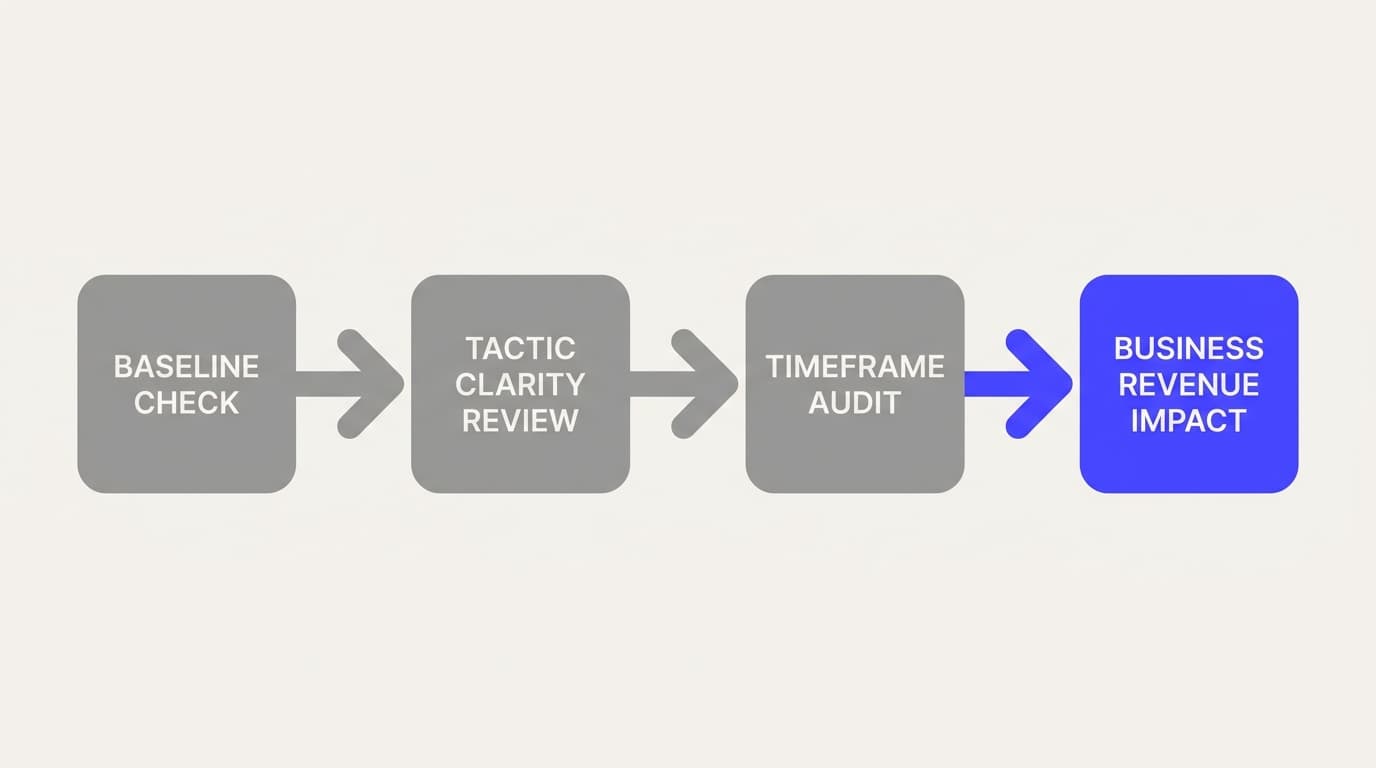
When you assess case studies seo professionals publish, run them through four basic tests, aligned with Google's Search Quality Evaluator Guidelines. Companies that optimize for search visibility see organic traffic grow 3x faster than those relying on paid channels alone (McKinsey, 2024).
- Baseline context: A massive percentage jump means very little without knowing starting traffic levels. A small site growing from a handful of clicks to a modest sum looks huge as a percentage, but it will not sustain a business. Look for healthy baseline volume and steady upward trends.
- Tactic clarity: A strong report explains the technical steps, content rules, or URL changes made. If a report just says the team wrote better content without explaining how search intent or page depth changed, it holds little practical value.
- Timeframe and seasonality: Search engines take weeks or months to crawl, evaluate, and re-rank pages. Solid reports track progress over six to twelve months to account for seasonal dips and core algorithm updates.
- Business outcome: Traffic that never leads to a lead, a sign-up, or a sale is just overhead. Useful breakdowns connect search performance to revenue or pipeline growth.
Evaluating work through this lens helps you spot the best seo case studies and ignore campaigns that relied on temporary loopholes.
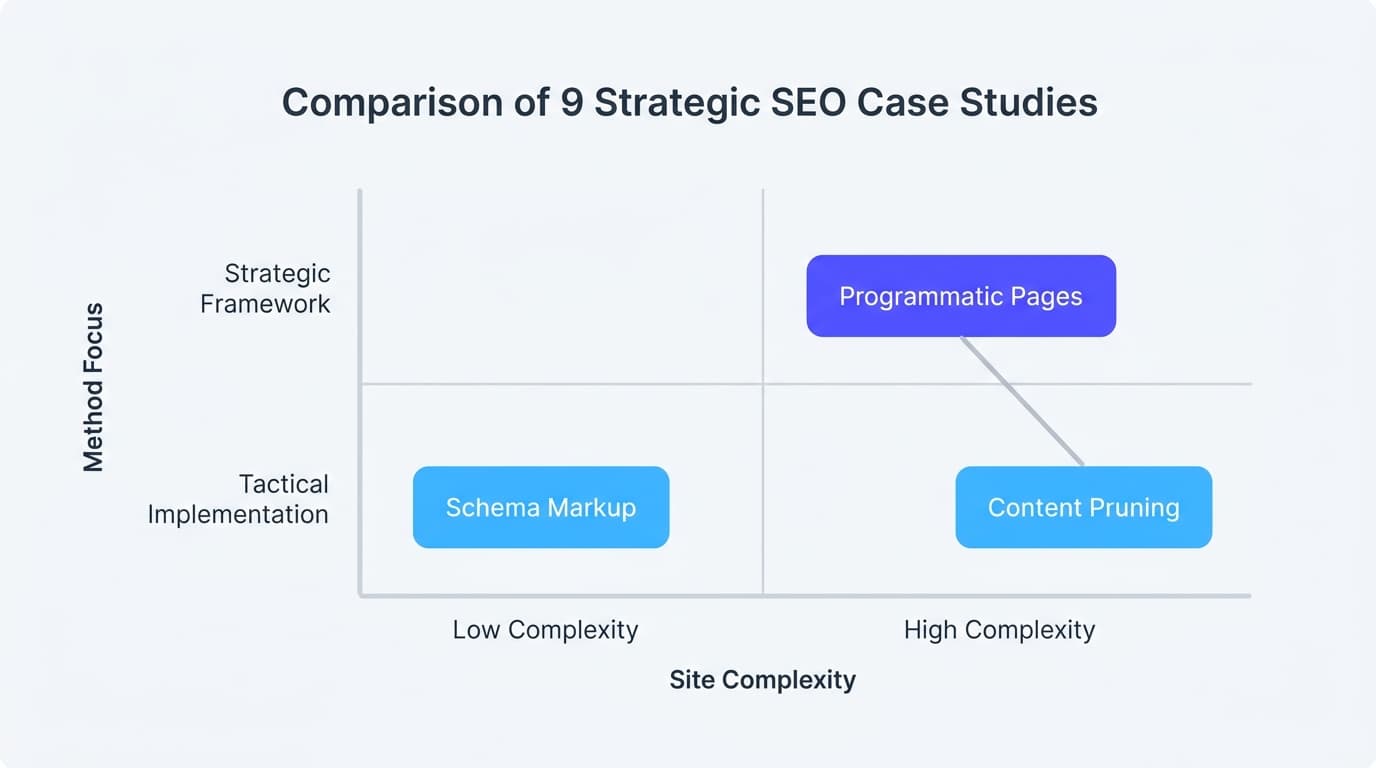
Comparison of 9 Strategic SEO Case Studies
The following table outlines nine distinct search campaigns across different verticals, showing the core hurdle, the central tactic, and the key lesson from each.
| Brand or Sector | Core Tactic | Primary Hurdle | Key SEO Lesson |
|---|---|---|---|
| Canva | Subfolder Internationalization | Local search intent in global markets | Structure clean directories for each locale and map language tags |
| Saramin | Structured Data Implementation | Dynamic job postings missed by search crawlers | Use automated schema markup so search engines parse listings quickly |
| Zapier | Programmatic Landing Pages | Scaling intent coverage across thousands of app pairs | Build templated, high-utility landing pages driven by structured data |
| Tokopedia | Core Web Vitals Optimization | Slow mobile page load times hurting user engagement | Speed up mobile page rendering to lift organic search engagement |
| Wise | Glossary and Currency Calculators | High search demand for foreign exchange terms | Answer exact user calculations with fast, programmatic utility tools |
| Rotten Tomatoes | Review Schema and Rich Snippets | Standing out in competitive entertainment SERPs | Add review markup to earn star ratings and click share in search |
| HubSpot | Content Pruning and Consolidation | Keyword cannibalization and content bloat | Delete thin pages and merge overlapping posts into pillar assets |
| Auto Trader UK | Technical Faceted Navigation | Spider traps and crawl budget waste on inventory | Manage canonical tags and parameters to guide crawler attention |
| Healthline | E-E-A-T and Author Verification | Search engine trust in medical queries | Document author credentials and clinical reviews to signal quality |
Use this summary to spot the tactical motion that matches your current bottleneck, then review the detailed breakdown below.
1. Canva: Scaling Global Search Through Subfolder Architecture
Design platform Canva needed to capture search interest across dozens of languages without splitting domain authority. Their core market was expanding fast, but international users search for design assets using distinct native queries rather than direct English translations.
The Problem
Launching separate domains for each nation dilutes link authority and multiplies technical maintenance. Subdomains can also run into discovery hurdles if search engines evaluate them as separate properties. Canva needed a unified architecture that concentrated domain authority while serving tailored language experiences.
The Strategy
Canva built a unified subfolder structure, organizing global landing pages under clean language codes. They paired this setup with rigorous hreflang tags to guide search engines to the correct regional URL. Rather than relying on raw machine translations, their team built distinct asset templates tailored to local search habits, matching cultural terms for resumes, posters, and cards.
The Result
By directing regional users to localized subfolders on a single root domain, Canva captured commanding search market share across Latin America, Europe, and Asia. Search engines understood the relationship between their language pages, keeping search signals concentrated on the parent domain.
The Actionable Takeaway
If you plan to enter international markets, keep your domain authority intact by using subfolders paired with verified hreflang tags. Translate search intent, not just raw text, to match how locals actually search.
2. Saramin: Unlocking Job Post Indexing With Structured Data
Korean employment portal Saramin handled millions of job openings, but search engines struggled to index listings before they expired. Job openings move quickly, and slow indexing meant searchers landed on expired vacancies.
The Problem
Search crawlers found it hard to parse dates, job types, and hiring requirements from unstructured page code. As a result, fresh listings took too long to appear in search results, hurting search visibility in a fast-moving hiring market.
The Strategy
Saramin added automated JobPosting structured data across their entire site catalog, following the technical guidelines detailed in Google Search Central documentation. They structured key data points directly in JSON-LD code:
- Date posted and valid-through deadlines
- Hiring organization names
- Base salaries and working locations
- Employment types (full-time, remote, contract)
They also automated indexation alerts so search engines could discover new listings and drop expired roles in real time.
The Result
Search engines quickly identified open roles, rendering rich snippets with salary badges and hiring tags. Listing discoverability increased, and qualified applicants found active job postings directly from search result pages.
The Actionable Takeaway
For time-sensitive content like events, job boards, or flash sales, use JSON-LD structured data. Clear markup helps search engines parse critical details without having to read full paragraphs.
3. Zapier: Dominating B2B Search With Programmatic SaaS Pages
Zapier connects thousands of web applications. Their audience searches for very specific software integrations, such as connecting a spreadsheet to an email marketing tool. Writing each landing page by hand would take decades.
The Problem
Zapier faced millions of possible software combinations. Writing custom content for every pair was humanly impossible, yet each software query showed clear purchase intent.
The Strategy
Zapier built a programmatic search engine model based on relational app data. They generated unique landing pages for every software pairing by following a strict design template:
- The two software brand names in the title tag and H1
- Real automation triggers and actions supported by the API
- Step-by-step workflow examples for common use cases
- Clean internal links connecting complementary app pages
This framework represents one of the premier saas seo case studies because it relies on genuine product utility rather than thin, auto-generated text.
The Result
Zapier secured top search rankings for tens of thousands of long-tail integration searches. Because each page answered specific functional questions, visitors converted directly into active product users.
The Actionable Takeaway
If your product connects data, inventory, or integrations, build programmatic landing pages driven by structured database records. Keep page quality high by showing real features and active workflows rather than boilerplate filler.
4. Tokopedia: Improving Crawl Efficiency and Rankings via Core Web Vitals
Indonesian marketplace giant Tokopedia manages a massive catalog of consumer products. Mobile users made up the vast majority of their traffic, but heavy scripts and slow rendering hurt page experience and crawl budget.
The Problem
Product listing pages took too long to become interactive on mobile networks. High Cumulative Layout Shift (CLS) and slow Largest Contentful Paint (LCP) caused users to bounce, signalling poor page experience to search crawlers.
The Strategy
Tokopedia overhauled their front-end architecture, aligning engineering priorities directly with search experience guidelines outlined in the W3C Web Performance standards. Their engineering team completed several technical sprints:
- Reduced script bloat and deferred non-critical assets
- Set explicit dimensions on product imagery to eliminate layout shifts
- Optimized server response times for product collection pages
- Simplified DOM depth on primary navigation menus
The Result
Faster rendering boosted user engagement across mobile devices. Search engines crawled product catalog pages more efficiently, leading to faster indexing for newly launched merchant items.
The Actionable Takeaway
Do not treat Core Web Vitals as a secondary engineering chore. In ecommerce seo case studies, page speed and layout stability directly affect crawl capacity, user retention, and organic visibility.
5. Wise: Capturing Bottom-of-Funnel Clicks With Interactive Calculators
Wise (formerly TransferWise) entered a global banking space dominated by legacy financial institutions. Rather than writing generic articles about international money transfers, they focused their search strategy on active transaction queries.
The Problem
Consumers searching for international exchange rates want real numbers, not long blog posts. Competitor pages were cluttered with fine print, hidden fees, and static tables that failed to solve the user's immediate question.
The Strategy
Wise built programmatic currency converter pages and routing number directories. Each page featured a live calculation tool displaying mid-market exchange rates, transparent transfer fees, and delivery timeframes. They supported these interactive tools with concise technical FAQs explaining currency volatility and wire instructions.
The Result
Wise earned top positions for currency pair keywords worldwide. Because the pages delivered immediate utility, they earned high user dwell time and natural backlinks from personal finance publishers.
The Actionable Takeaway
When search intent calls for a calculation or a lookup, build an interactive tool. Providing an immediate, functional answer beats writing long blocks of background text every time.
6. Rotten Tomatoes: Earning Rich Snippets With Aggregated Review Schema
Rotten Tomatoes is the default destination for movie and television reviews. Their organic presence depends on showing consensus scores directly on search engine results pages to win clicks against streaming platforms.
The Problem
Standard organic links without ratings struggle to win clicks when users search for entertainment recommendations. Rotten Tomatoes needed a way to display their Tomatometer scores directly in search listings.
The Strategy
Rotten Tomatoes marked up every title with structured review schemas. They used AggregateRating markup to feed search engines with:
- Total review count
- Critic percentage scores
- Audience rating averages
- Content rating and release dates
The Result
Search listings for entertainment titles displayed star ratings, review counts, and critic scores directly in SERP snippets. This enhanced presentation generated higher click-through rates from searchers seeking quick opinions before watching a film.
The Actionable Takeaway
If your business collects reviews, product ratings, or client feedback, implement aggregate rating markup. Rich snippets draw the eye and earn clicks even when ranking beneath a top-spot competitor.
7. HubSpot: Pruning Outdated Content to Fix Keyword Cannibalization
HubSpot was an early leader in inbound content marketing, publishing multiple blog posts daily for over a decade. However, having thousands of live articles eventually created search cannibalization, where multiple older pieces competed against one another for the same keywords.
The Problem
Search crawlers spent time scanning hundreds of obsolete posts published years earlier. Multiple overlapping posts targeted identical search terms, confusing search engines and causing rankings to fluctuate.
The Strategy
HubSpot conducted a full content audit to prune and consolidate their blog catalog:
- Identified posts with declining traffic and outdated recommendations
- Merged smaller, overlapping posts into comprehensive pillar guides
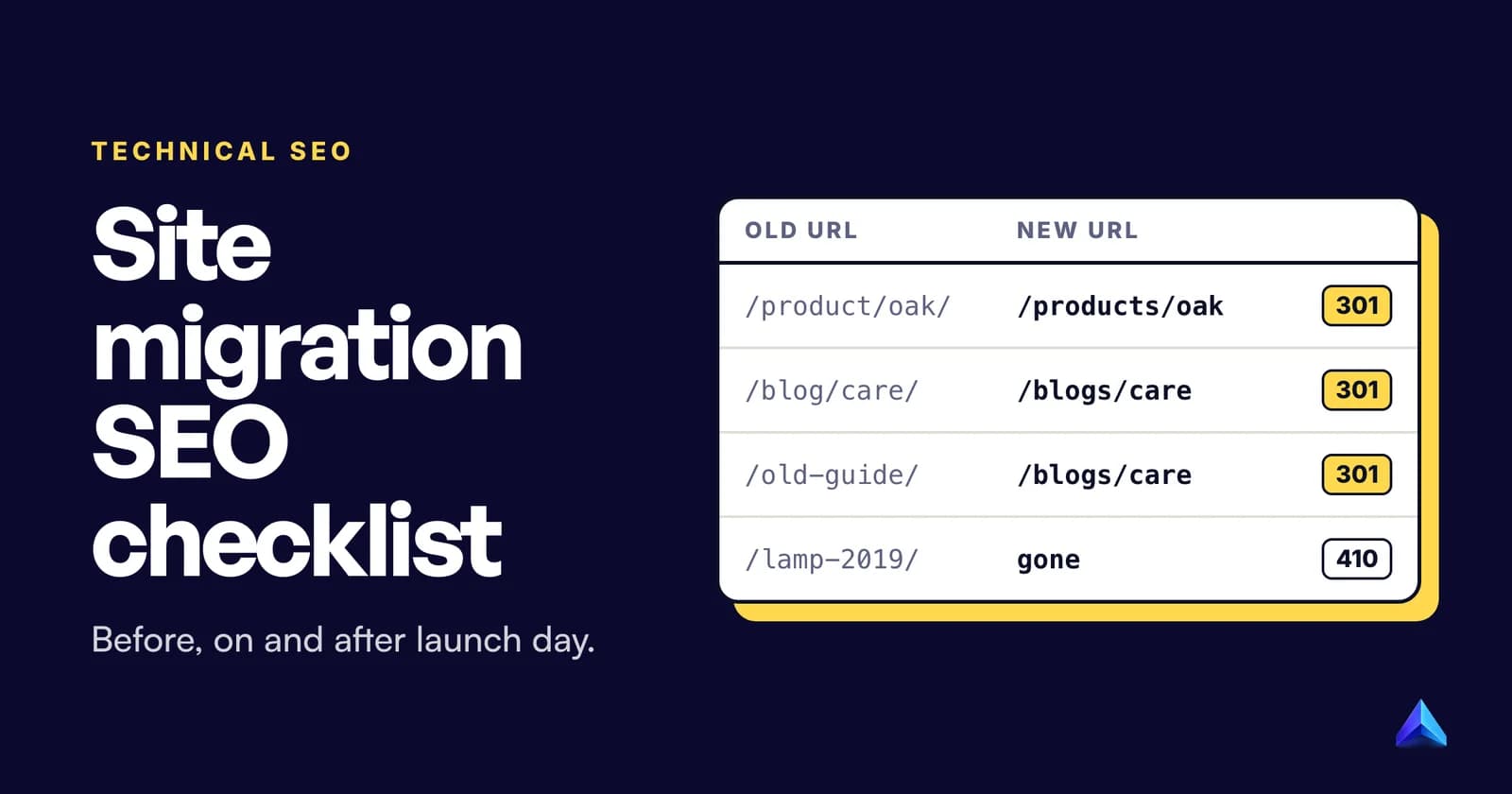
- Implemented permanent 301 redirects from obsolete URLs to primary assets
- Deleted dead content that held no search intent or backlink value
- Set up systematic tracking to monitor ranking recovery for core terms
For teams managing large content libraries, using tools like project rankup helps identify which pages lose ground so you can act before rankings slip.
The Result
Pruning low-quality pages preserved crawl budget and concentrated link authority onto flagship URLs. Organic search visibility stabilized, and primary guides regained top positions for high-volume marketing queries.
The Actionable Takeaway
More pages do not equal more search traffic. Audit your content library annually. Delete dead pages, merge overlapping articles, and redirect older URLs to your strongest assets.
8. Auto Trader UK: Solving Faceted Navigation in the Auto Industry
Car marketplace sites face complex faceted navigation challenges. When buyers filter by make, model, year, fuel type, and price, a website can generate millions of duplicate URL combinations.
The Problem
Auto Trader UK had to manage millions of inventory filter combinations. Search bots risked getting caught in spider traps, crawling near-identical vehicle lists while missing core dealership pages. This scenario is a central challenge in seo case studies auto industry marketers study.
The Strategy
Auto Trader UK revamped their indexing logic to guide crawler behavior:
- Applied canonical tags pointing filtered views back to primary make and model category pages
- Used robots directives to block crawling on low-value filter combinations (like sorting by color or price range)
- Generated static indexable landing pages only for high-intent search terms (such as used electric cars in specific cities)
- Cleaned up breadcrumb schema to reinforce category hierarchy
The Result
Search crawlers stopped wasting resources on duplicate filter pages. Primary category and model pages indexed reliably, driving steady local search traffic to dealer vehicle inventory.
The Actionable Takeaway
E-commerce and marketplace websites must lock down faceted navigation. Index only the filter combinations that match real search volume, and use canonical tags or crawl blocks on the rest.
9. Healthline: Building E-E-A-T and Search Authority for YMYL Topics
Health advice falls directly under Google's Your Money or Your Life (YMYL) guidelines. When health updates rolled out, search algorithms prioritized sites that proved medical authority and editorial rigor.
The Problem
Publishing health advice without clear author credentials leaves a site vulnerable to core algorithm updates. Sites offering lifestyle and wellness guidance faced traffic losses if they could not prove medical oversight.
The Strategy
Healthline rebuilt their editorial workflow to meet high E-E-A-T (Experience, Expertise, Authoritativeness, and Trustworthiness) standards, following the principles outlined in Google's Search Quality Evaluator Guidelines:
- Added prominent author bios detailing medical degrees and clinical backgrounds
- Introduced a medical review badge on every article, naming the doctor or specialist who verified the facts
- Added citation lists pointing directly to peer-reviewed medical studies
- Displayed clear editorial update dates to show recent verification
The Result
Healthline became a benchmark for search trust in medical queries, maintaining steady visibility across health-related keywords while competitor sites without medical reviews lost ground.
The Actionable Takeaway
If your website covers finance, law, or health, highlight your experts. Feature named authors, display credentials, link to authoritative primary sources, and keep review dates current.
How to Build and Track Your Own SEO Case Study
Reading case studies provides strategic ideas, but producing your own documented results builds real authority with clients and leadership. Follow this four-step process to track your search campaigns with precision.
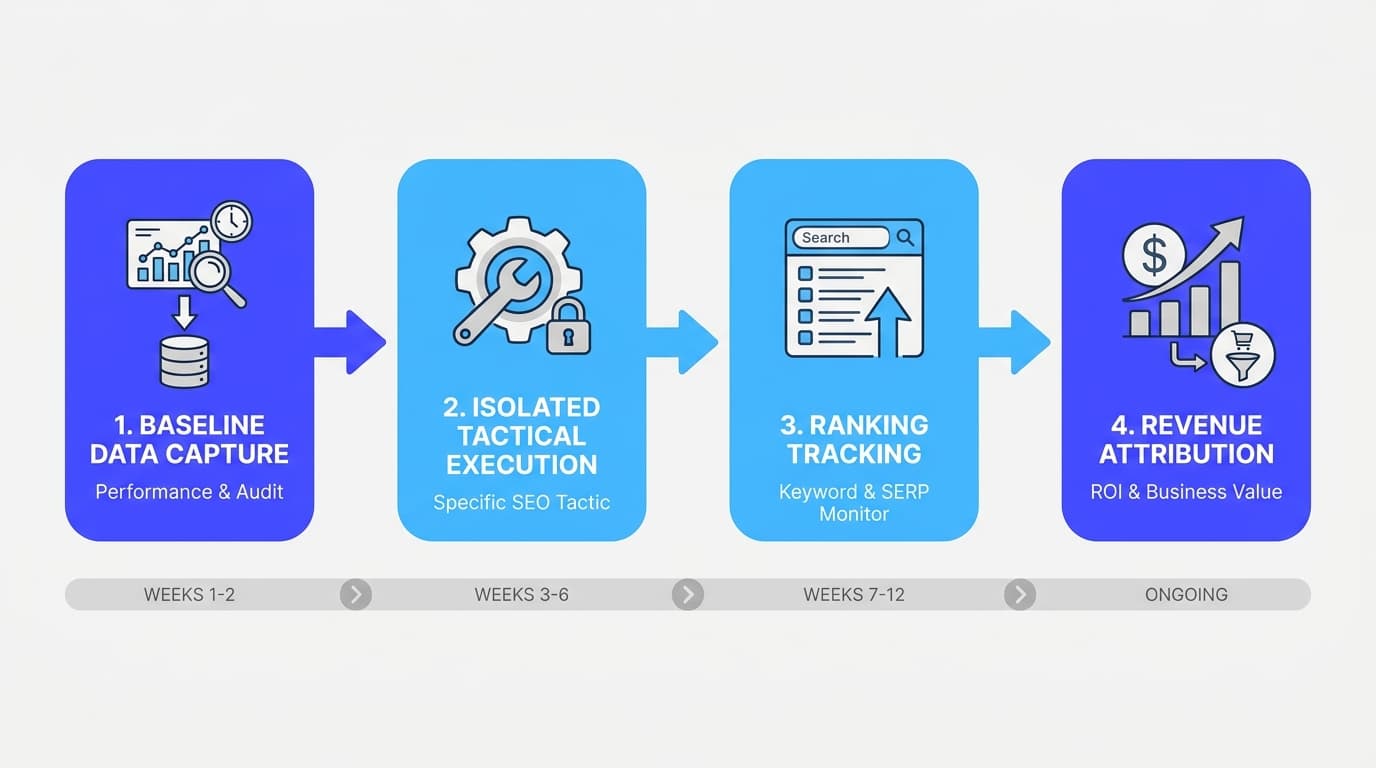
+-------------------------------------------------------------+
| Step 1: Establish Baseline Data                             |
| Record organic clicks, target rankings, and technical health |
+-------------------------------------------------------------+
                               |
                               v
+-------------------------------------------------------------+
| Step 2: Isolate the Strategic Input                         |
| Implement a single primary action over a set timeframe      |
+-------------------------------------------------------------+
                               |
                               v
+-------------------------------------------------------------+
| Step 3: Monitor Crawl and Ranking Changes                   |
| Track re-indexing, ranking shifts, and user engagement      |
+-------------------------------------------------------------+
                               |
                               v
+-------------------------------------------------------------+
| Step 4: Attribute Business Outcomes                         |
| Connect search improvements to leads, sales, and revenue    |
+-------------------------------------------------------------+
Step 1: Establish Baseline Data
Record starting metrics before making site changes. Capture organic impressions, active rankings for target keywords, indexed page counts, and baseline conversion rates. Save raw export files so you have an untouched historical record.
Step 2: Isolate the Strategic Input
Avoid changing everything at once. If you overhaul site code, rewrite 50 articles, and buy new backlinks during the same week, you cannot pinpoint what drove the outcome. Test one core change at a time, such as:
- Adding structured data to a specific content directory
- Pruning thin articles across a single blog topic
- Upgrading mobile page speed across product collections
Step 3: Monitor Crawl and Ranking Changes
Give search crawlers time to process the changes. Use rank tracking software to monitor keyword movements across both traditional search positions and modern AI search answers. Watch for indexation changes in search console tools to confirm bots crawled your updated code.
Step 4: Attribute Business Outcomes
Document the final results against your baseline. Note the total calendar days between deployment and ranking shifts. Most importantly, tie search gains to business metrics: new sales leads, email sign-ups, or direct product orders.
Common Red Flags in Agency SEO Case Studies
When evaluating external partners or reviewing link building seo company case studies, look closely at the data presented. Marketing agencies often highlight numbers that look impressive on paper but mask poor performance underneath.
Keep an eye out for these warning signs:
- No baseline numbers: Showing a sharp percentage increase without sharing starting traffic numbers often conceals tiny total gains.
- Vanity keyword rankings: Boasting about top positions for obscure, zero-volume search terms that bring no buyers to the business.
- Ignoring algorithm update windows: Claiming a new content plan drove traffic growth when the site actually benefited from an unannounced core algorithm shift.
- Missing conversion figures: Reporting high traffic surges while omitting bounce rates, lead generation, or sales data.
Insist on reviewing raw performance trends over extended timeframes to verify that gains stem from intentional strategy rather than random search shifts.
The Shift to Answer Engine Optimization
Modern search continues to evolve beyond standard blue links. Search engines now feature AI-generated summaries at the top of results, extracting answers directly from trusted web pages. Marketers studying search case studies must prepare for Answer Engine Optimization (AEO).
Securing citations within AI overviews requires clean site structure and authoritative copy:
- Answer the core user query directly within the first two sentences of a section
- Use clear comparison tables and structured lists that machines can extract easily
- Cite verified primary sources to signal factual accuracy
- Keep technical site health strong so automated bots access your content without friction
Tracking these AI answer citations alongside standard rankings is now essential for every digital marketer.
常見問題
What seo experts share case studies?
SEO practitioners like Aleyda Solis, Cyrus Shepard, and Kevin Indig frequently publish technical breakdowns and search performance analyses. They share deep dives into algorithm shifts, site migrations, and content experiments through independent newsletters and industry blogs.
Who shares seo case studies on linkedin?
Search consultants, agency leaders, and in-house growth heads regularly post search breakdowns on LinkedIn. Marketers like Nick Eubanks and Lily Ray share real-time observations, core update impacts, and technical crawl findings with their networks.
Where can i find law firm seo case studies?
Specialized legal marketing agencies and search publications like Search Engine Journal feature law firm search studies. These reports typically highlight local pack optimization, Google Business Profile management, and localized practice area content.
How seo agency case studies show roi?
Credible agency reports show return on investment by tying organic traffic growth to lead generation, customer acquisition costs, and closed sales. They present revenue generated from search channels against the total cost of the campaign.
Where can i find some seo case studies?
Authoritative search case studies are available on official platforms like Google Search Central, web.dev, and recognized publications such as Search Engine Land. Independent software brands also document detailed search experiments on their company blogs.
Track your search rankings across every critical keyword and monitor your organic visibility with project rankup.